

With 36 CEPA agreements signed across major global markets, the UAE has strengthened its position as one of the world’s most connected trading hubs. For foreign investors, entrepreneurs, and businesses, this development offers compelling reasons to explore business setup in the UAE and leverage the country’s growing trade ecosystem.
What is the UAE CEPA Strategy for Global Business Expansion?
CEPAs are advanced trade agreements designed to facilitate cross-border commerce by reducing tariffs, streamlining customs procedures, and enhancing investment opportunities between participating countries.
Unlike traditional free trade agreements that focus primarily on goods, CEPAs often include provisions covering:
- Trade in services
- Investment protection
- Intellectual property rights
- Digital commerce
- Customs cooperation
- Market access facilitation
- Regulatory alignment
The UAE launched its CEPA initiative as part of a broader strategy to diversify its economy and strengthen its role in international trade. Over the past five years, the program has expanded rapidly, connecting the UAE with major economies and emerging markets around the world.
Today, the UAE’s CEPA network spans countries that collectively represent nearly three billion consumers, creating unprecedented opportunities for global investors.
Why UAE Non-Oil Trade Growth Drives Company Formation
Surpassing the US$1 trillion non-oil trade mark reflects the UAE’s successful transformation into a global commercial gateway. Several factors have contributed to this achievement, including:
- World-class logistics infrastructure
- Extensive free zone network
- Strong trade agreements through CEPA
- Advanced customs and digital trade systems
For companies considering UAE company formation, the growing CEPA network adds to the reasons of selecting the UAE as their potential destination for business expansion under preferential trade conditions.
How CEPA Agreements Benefit Manufacturers?
Manufacturing companies stand among the biggest beneficiaries of the UAE’s trade strategy. By establishing production facilities within the UAE, manufacturers may gain preferential access to CEPA partner countries while benefiting from the country’s modern industrial infrastructure.
Industries that may benefit include:
- Petrochemicals
- Pharmaceuticals
- Food processing
- Metal fabrication
- Industrial equipment
For example, UAE-based manufacturers can utilize local production capabilities and export products to CEPA markets with reduced or eliminated tariffs, depending on the specific agreement and rules of origin requirements.
This creates a compelling case for company formation in the UAE among businesses seeking to serve multiple international markets from a single operational base.
Starting an Export Business in the UAE: Opportunities Under CEPA
Exporters are increasingly viewing the UAE as a strategic platform for global expansion. Rather than exporting directly from their home markets, many companies are exploring the possibility of establishing regional operations in the UAE to benefit from:
- Preferential market access
- Reduced customs barriers
- Modern warehousing facilities
- Efficient trade documentation processes
In addition, the UAE’s extensive trade connectivity allows exporters to reach customers across multiple continents while minimizing logistical complexities.
UAE Freezone Setup for Food and Agriculture Companies
The food and agriculture sector is another major beneficiary of the UAE’s expanding trade agreements. Many CEPA partner countries represent large consumer markets with increasing demand for imported food products. The UAE’s food ecosystem offers advantages such as:
- Advanced food processing facilities
- Strategic storage infrastructure
- Re-export capabilities
- Modern cold-chain logistics
Businesses can import raw materials, process or package products in the UAE, and export finished goods to CEPA markets under favorable trade conditions where applicable. This model is attracting food manufacturers, agricultural exporters, and commodity traders looking to expand internationally.
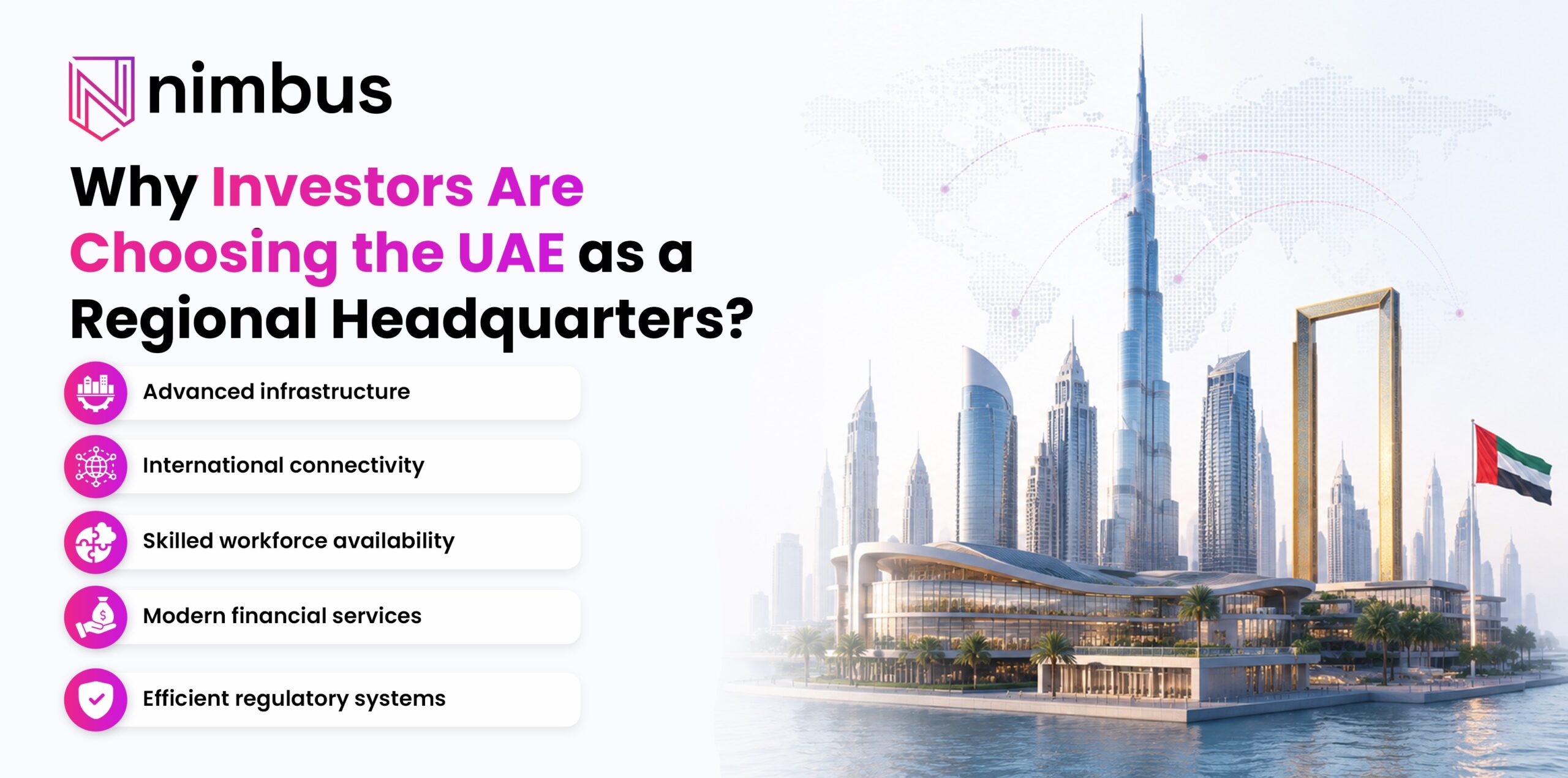
Why Foreign Investors Are Choosing the UAE as a Regional Headquarters?
The UAE has long been recognized as a preferred destination for regional headquarters. The expansion of the CEPA network strengthens this position even further. A company based in the UAE can potentially coordinate operations across multiple international markets while benefiting from:
- Advanced infrastructure
- International connectivity
- Skilled workforce availability
- Modern financial services
- Efficient regulatory systems
The ability to access CEPA markets from a central location enhances the value proposition for multinational corporations and growing enterprises alike. As a result, demand for business setup in the UAE continues to grow among international companies seeking scalable regional operations.
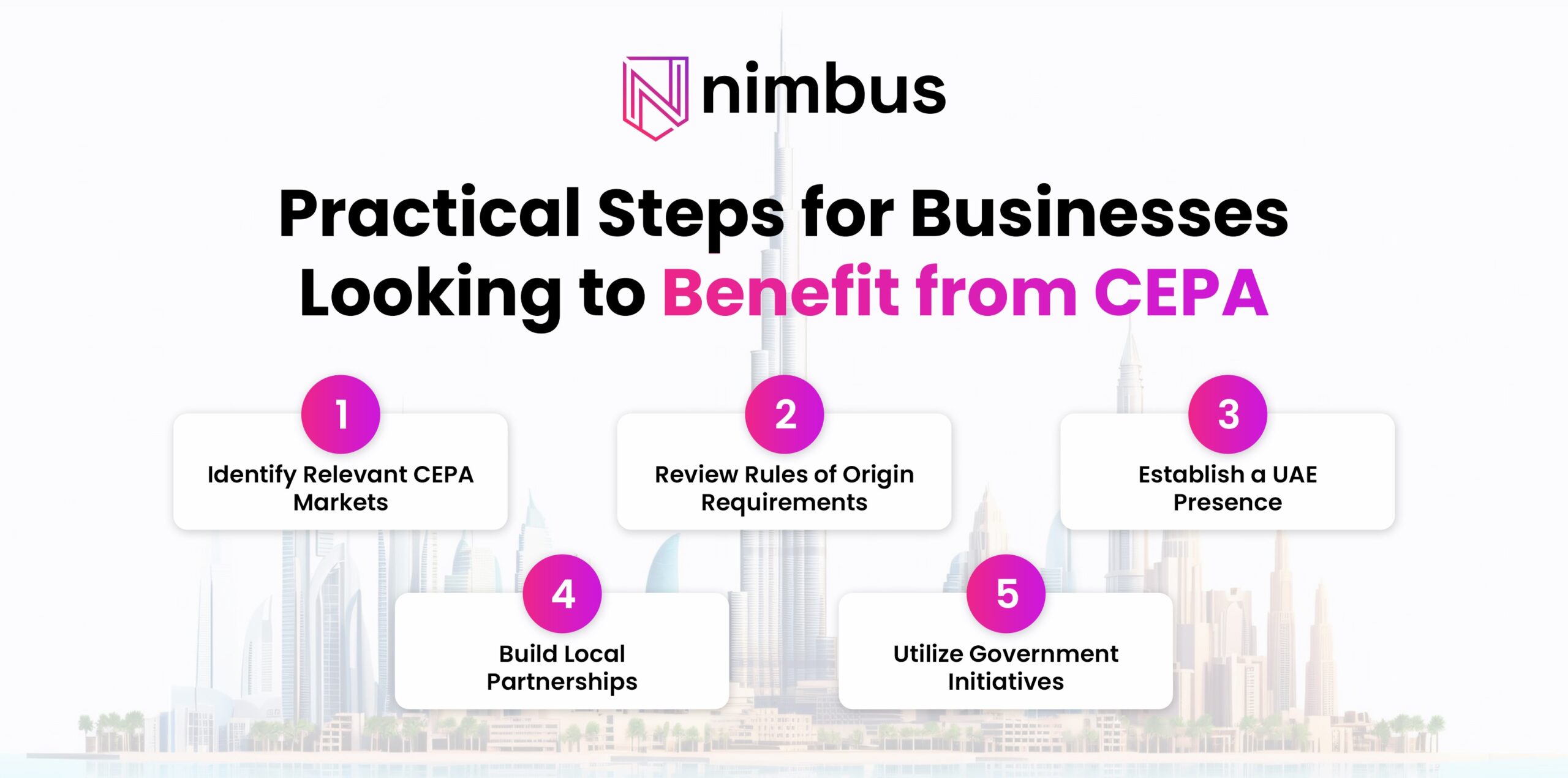
Practical Steps for Businesses Looking to Benefit from CEPA
Companies interested in leveraging the UAE’s growing trade network should consider the following actions:
- Identify Relevant CEPA MarketsNot every agreement will be equally valuable. Businesses should evaluate:
- Market demand
- Industry opportunities
- Tariff reductions
- Competitive landscape
- Review Rules of Origin RequirementsTo qualify for preferential treatment under CEPA agreements, products often need to satisfy specific origin criteria. Companies should assess:
- Manufacturing processes
- Local value addition requirements
- Supply chain structures
- Establish a UAE PresenceSetting up operations through UAE company formation can provide direct access to the benefits offered by the country’s trade network.
- Build Local PartnershipsWorking with UAE-based distributors, logistics providers, and service partners can accelerate market entry and improve operational efficiency.
- Utilize Government InitiativesPrograms supporting industrial growth, exports, and investment can provide valuable resources for businesses entering the UAE market.
The Future of Trade Through the UAE
The UAE’s achievement of more than US$1 trillion in non-oil trade demonstrates the effectiveness of its long-term economic diversification strategy. Through its network of 36 CEPAs, it has created one of the world’s most dynamic platforms for international trade and investment.
As trade volumes continue to grow and new agreements are implemented, businesses that strategically position themselves within the UAE stand to benefit from improved market access, enhanced logistics capabilities, and stronger regional connectivity.
Whether through UAE freezone setup or UAE mainland setup, companies that establish an early presence can position themselves to capitalize on the expanding opportunities created by the UAE’s rapidly growing global trade network.

Comments are closed