

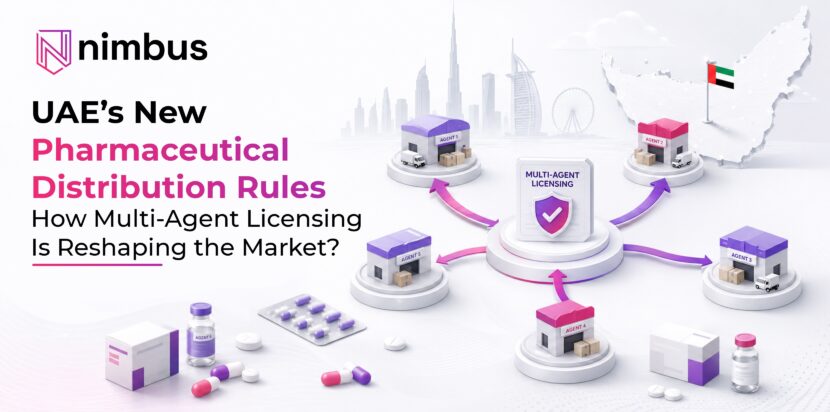
The UAE is taking a significant step toward strengthening its healthcare infrastructure and pharmaceutical supply chain resilience. With the introduction of new pharmaceutical distribution requirements, the country is moving away from the traditional single-agent distribution model and adopting a framework that requires pharmaceutical companies to appoint multiple authorized local agents for each medical product.
Announced by the Emirates Drug Establishment (EDE) on February 24, 2026, the reform is designed to reduce supply chain vulnerabilities, improve medicine availability, and enhance national drug security.
For pharmaceutical manufacturers, distributors, healthcare providers, and investors, the new framework will influence market-entry strategies, distribution partnerships, and long-term operational planning.
Businesses considering company formation in the UAE or expanding healthcare operations in the region should carefully evaluate how these regulatory changes may affect their commercial strategies.
The UAE’s Pharmaceutical Market Growth
The UAE pharmaceutical sector has experienced consistent expansion over the past decade, supported by strong healthcare investment, population growth, medical tourism, and increasing demand for advanced therapies. Current market estimates indicate:
- Pharmaceutical market size reached approximately US$4.45 billion to US$5.0 billion in 2025.
- Market value is expected to grow to approximately US$8.0 billion by 2033.
- Some forecasts project the market could reach US$8.59 billion by 2034.
Several structural factors continue to drive this growth including:
- Rising prevalence of chronic diseases
- Increased healthcare spending
- Expansion of medical tourism
- Government healthcare initiatives
- Development of local pharmaceutical manufacturing
- Regulatory modernization
A point worth mentioning here is that while conventional pharmaceutical products remain the largest segment, biologics and biosimilars are emerging as the fastest-growing categories.
Why the EDE is Ending the Single-Agent Pharma Monopoly
For many years, pharmaceutical companies entering the UAE market usually relied on a single authorized local distributor or agent to manage product registration, imports, distribution, and regulatory compliance.
Although this model offered operational simplicity, it also created concentration risk. Under a single-agent structure, disruptions affecting one distributor could directly impact product availability across the entire market. Common risks included:
- Inventory shortages
- Customs clearance delays
- Warehouse capacity constraints
- Compliance failures
- Cold-chain disruptions
When one organization controls access to a medicine, any disruption can quickly affect hospitals, pharmacies, and patients. The Emirates Drug Establishment has introduced the new framework specifically to address these vulnerabilities and improve supply continuity across the healthcare system. The primary objectives include:
- Strengthening pharmaceutical security
- Improving medicine availability
- Reducing dependency on individual distributors
- Enhancing emergency preparedness
- Increasing supply chain flexibility
This policy represents a shift in regulatory thinking. Distribution resilience is now seen as a matter of national healthcare security.
Impact of Multi-Agent Distribution on Pharma Manufacturers
For multinational pharmaceutical companies and regional drug manufacturers, the reform creates both opportunities and challenges.
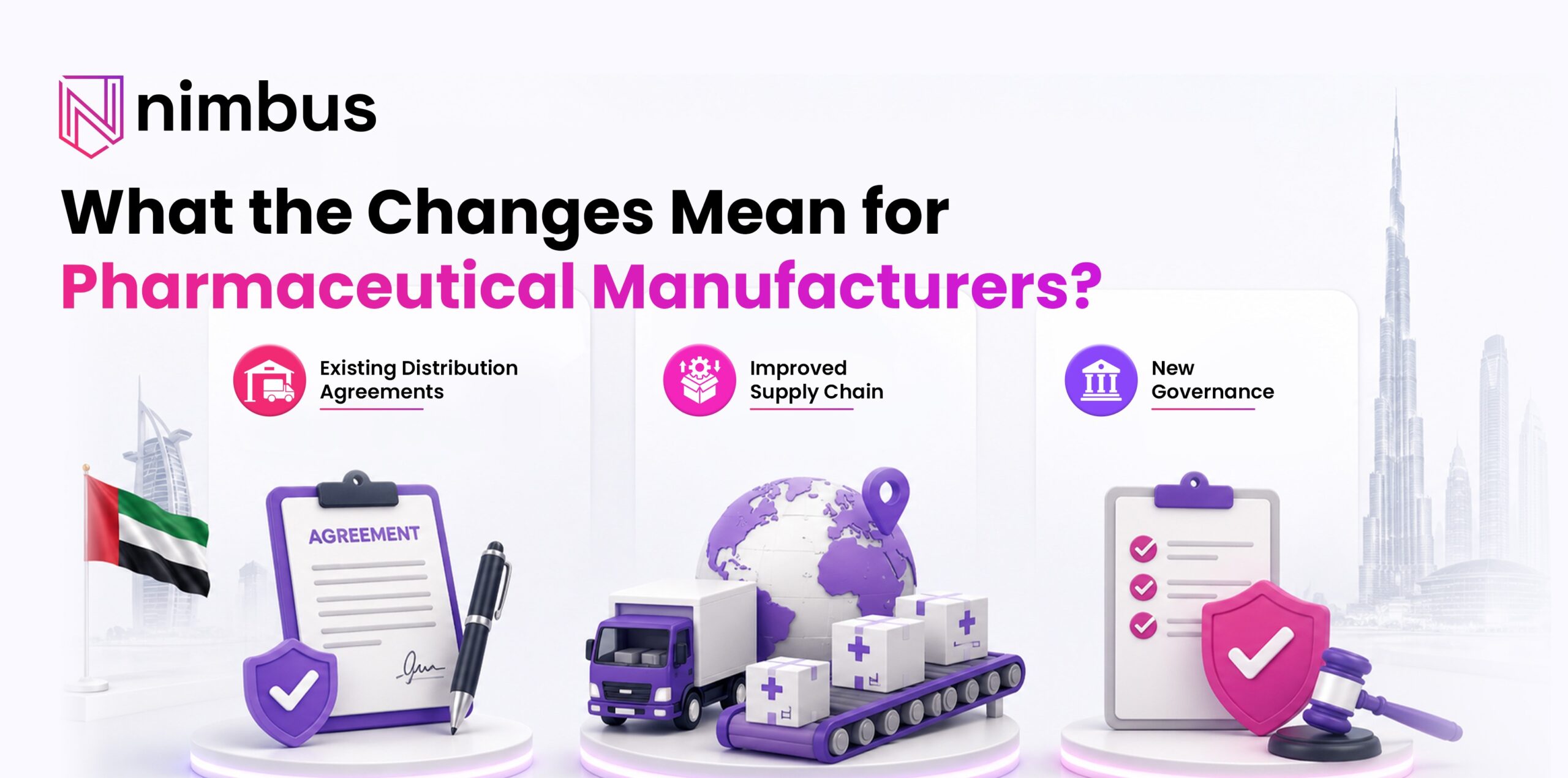
1. Reassessing Existing Distribution Agreements
Manufacturers will need to evaluate current agency arrangements and identify whether exclusive distribution clauses require modification. Key considerations include:
- Existing contractual obligations
- Territory allocations
- Product registration responsibilities
- Compliance accountability
Companies operating under exclusive arrangements may need to renegotiate agreements to accommodate additional authorized partners.
2. Improved Supply Chain Resilience
A multi-agent approach offers several operational advantages, including:
- Reduced reliance on a single distributor
- Better inventory allocation
- Greater geographic coverage
- Improved market penetration
Manufacturers can strategically assign different distributors based on their strengths. For example, one distributor may focus on government tenders while another may specialize in private hospitals. This specialization can improve overall market coverage while reducing operational risk.
3. New Governance Requirements
Managing multiple distributors introduces additional complexity. Manufacturers will need stronger governance systems to coordinate:
- Product pricing
- Inventory allocation
- Pharmacovigilance reporting
- Regulatory compliance
- Marketing activities
- Product information consistency
Without effective oversight, multi-agent distribution could create inconsistencies across the market.
How New EDE Rules Increase Competition for UAE Distributors
The new rules are expected to significantly alter the competitive landscape for UAE-based pharmaceutical distributors.
1. End of Exclusive Market Positions
Many distributors have historically benefited from exclusive agency agreements. Under the new framework, these advantages may diminish as manufacturers appoint additional partners. As a result, competition is likely to increase in areas such as:
- Logistics efficiency
- Regulatory expertise
- Geographic reach
- Hospital relationships
2. New Growth Opportunities
The reform creates opportunities for well-positioned distributors. Organizations with strong infrastructure can compete for agency appointments across a broader range of products. Competitive strengths may include:
- Advanced warehousing facilities
- Temperature-controlled storage
- Cold-chain logistics networks
- Tender management expertise
- Digital inventory tracking systems
Distributors that invest in these areas may gain access to products previously controlled by competitors.
Growth Opportunities in UAE Pharma Logistics and Cold Chain
The reform also creates significant opportunities for logistics operators. Pharmaceutical distribution requires specialized infrastructure, including:
- Temperature-controlled transportation
- GDP-compliant storage facilities
- Real-time inventory monitoring
- Batch traceability systems
- Secure warehousing
- Regulatory documentation management
As manufacturers diversify distribution partnerships, demand for high-quality logistics services is likely to increase. Companies pursuing UAE company formation within healthcare logistics, pharmaceutical warehousing, and cold-chain transportation may find growing opportunities as the market evolves.
Benefits for UAE Healthcare Providers, Hospitals, and Pharmacies
Hospitals, clinics, and pharmacies stand to benefit from improved medicine availability. Potential advantages include:
- Reduced stock-out risks
- Improved supplier diversification
- More stable inventory levels
- Greater access to specialized treatments
- Enhanced emergency preparedness
Healthcare providers may also gain greater flexibility when sourcing medicines through multiple distribution channels.

Opportunities for Investors Looking for Business Setup in the UAE
The pharmaceutical reform arrives at a time when the UAE is actively encouraging investment in healthcare, biotechnology, and life sciences. For investors, the evolving regulatory environment creates opportunities across multiple segments:
1. Pharmaceutical Manufacturing
Growing healthcare demand and regulatory support continue to encourage local production initiatives.
2. Distribution and Wholesale Operations
The transition to multi-agent distribution may increase demand for qualified pharmaceutical distributors with strong compliance systems.
3. Logistics Infrastructure
Cold-chain storage and pharmaceutical warehousing facilities are expected to become increasingly valuable assets.
4. Healthcare Technology
Digital platforms supporting inventory management, traceability, and compliance monitoring may benefit from rising demand.
Investors evaluating UAE mainland setup options within healthcare and life sciences should assess how these reforms align with their long-term growth strategies.
The Future of the UAE Pharmaceutical Industry & Drug Security
The UAE’s pharmaceutical distribution reform signals a broader transformation in how the country approaches healthcare resilience, medicine accessibility, and supply chain security.
By reducing reliance on single-agent distribution structures, the UAE aims to create a more flexible, competitive, and reliable pharmaceutical ecosystem capable of supporting future healthcare demands.
For pharmaceutical manufacturers, distributors, healthcare providers, and investors, the reform creates new operational requirements but also significant growth opportunities.
Companies in the UAE operating in the healthcare sector should view these reforms as part of the UAE’s broader strategy to become one of the region’s leading pharmaceutical and medical innovation hubs.
Comments are closed