

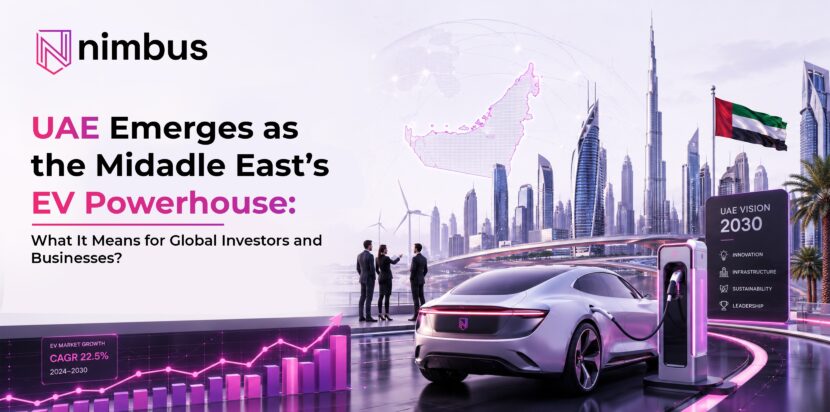
UAE Electric Vehicle Market: Size, Trends, and Growth
While EV adoption in the Middle East remains smaller than in major markets such as Europe and the United States, growth is accelerating across the region.
The International Energy Agency estimates that approximately 75,000 electric vehicles were sold across the Middle East during 2025, representing annual growth of more than 40 percent. The UAE remained the largest contributor, accounting for almost 50 percent of total regional EV sales.
The electric vehicle market is also experiencing significant changes in manufacturer competition. When EV adoption began accelerating in the Middle East around 2020, Tesla dominated the market and represented approximately half of all EV sales.
Today, Tesla’s market share has fallen to around 15 percent and Chinese manufacturer BYD has rapidly expanded since entering the region in 2022. Also, a broader range of EV models and pricing options is helping drive adoption among both individuals and businesses.
UAE Government Policies Driving EV Adoption
One reason for the UAE’s success is its proactive approach to EV development. The National Electric Vehicles Policy, introduced in 2023, established a roadmap for:
- Nationwide charging infrastructure
- Consumer support initiatives
- Industry incentives
- Technical standards
- Private sector participation
For investors and companies considering company formation in the UAE, government-backed policy reduces uncertainty and creates a more predictable business environment. Successful EV adoption depends on more than vehicle sales alone. It requires coordinated development of:
- Charging networks
- Energy systems
- Payment infrastructure
- Grid capacity
- Maintenance services
- Real estate integration
The UAE’s policy framework addresses these areas simultaneously, creating a stronger foundation for long-term market growth.
UAE EV Charging Infrastructure: Investment Opportunities
Charging infrastructure has emerged as one of the most attractive segments of the UAE’s EV ecosystem. Dubai Electricity and Water Authority (DEWA) reported that Dubai had approximately 1,270 EV charging stations by August 2025. The network includes:
- Ultra-fast chargers
- Public charging stations
- Wall-mounted residential chargers
However, future growth is likely to focus on strategic deployment rather than simply increasing charger numbers. Investors are increasingly evaluating:
- Location quality
- Utilization rates
- User experience
- Grid integration
- Maintenance efficiency
- Payment solutions
The most valuable opportunities may exist in locations where charging naturally integrates into daily life. A few examples include:
- Residential communities
- Office buildings
- Hotels and resorts
- Highway service stations
- Public parking facilities
EV Fleet Electrification & Management in the UAE
Commercial fleets represent one of the most significant growth opportunities in the UAE’s EV market. That’s because fleet operators often have stronger financial incentives to switch to EVs because of higher utilization rates and fuel savings. Key sectors driving fleet electrification include:
- Taxi operators
- Ride-hailing platforms
- Logistics companies
- Last-mile delivery providers
- Corporate transportation services
- Hospitality operators
A major example is the strategic agreement signed in 2025 between DEWA and Dubai Taxi Company. The initiative includes the deployment of 208 ultra-fast charging stations to support Dubai Taxi Company’s growing electric fleet. This trend creates opportunities for businesses, such as:
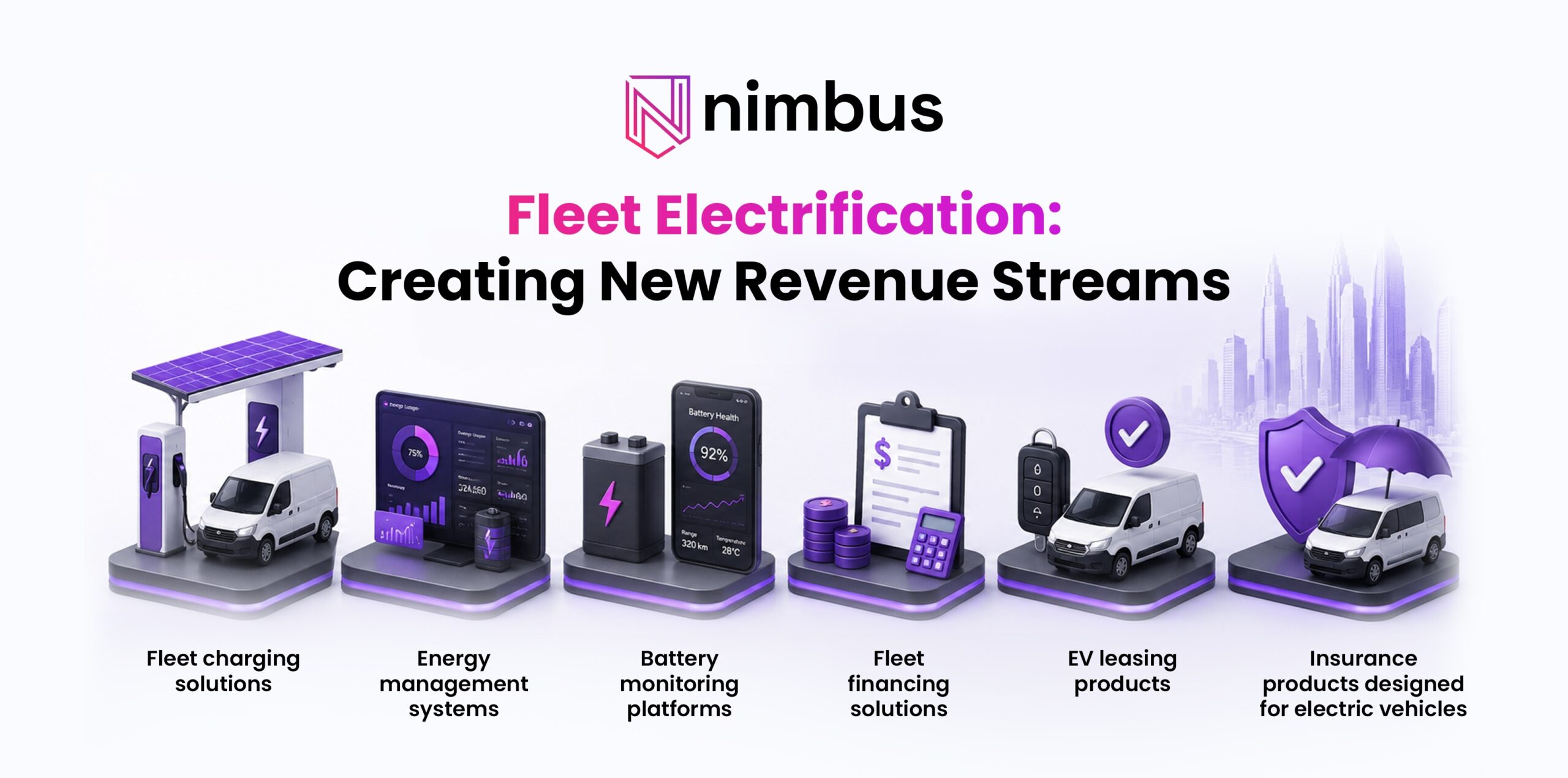
- Fleet charging solutions
- Energy management systems
- Battery monitoring platforms
- Fleet financing solutions
- EV leasing products
- Insurance products designed for electric vehicles
These service-based business models often generate recurring revenue and may offer stronger long-term profitability than vehicle sales alone.
How to Setup an EV Business in the UAE
The UAE’s EV industry is still in a relatively early stage of development, leaving significant room for international expertise. Foreign companies can participate in several areas, including the following ones.
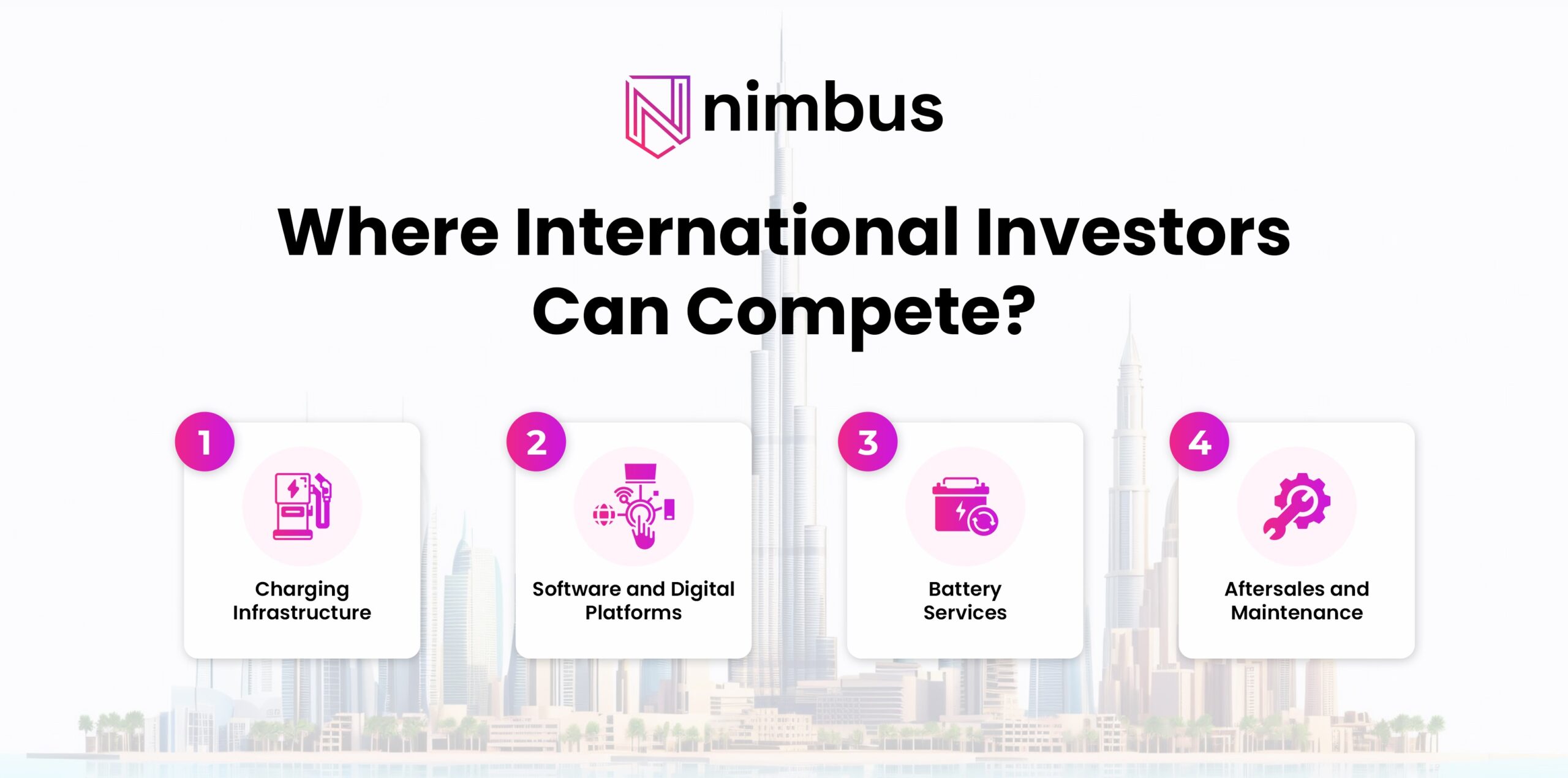
1. Charging Infrastructure
Opportunities exist for:
- Charging equipment manufacturers
- Installation contractors
- Maintenance providers
2. Software and Digital Platforms
Demand is growing for solutions such as:
- Charger management systems
- Payment platforms
- Fleet management software
- Real-time charging availability applications
3. Battery Services
As EV adoption grows, demand will increase for:
- Battery diagnostics
- Battery refurbishment
- Second-life battery applications
4. Aftersales and Maintenance
The UAE will require:
- EV-certified technicians
- Specialized repair centers
- Spare parts distribution networks
Businesses exploring UAE company formation within these sectors may find significant opportunities as the market expands.
Top EV Market Investment Opportunities for 2025–2026
The EV transition is creating opportunities for international investors across multiple sectors, including:
- Charging infrastructure development
- Fleet management services
- Renewable energy integration
- Battery lifecycle management
- EV financing solutions
- Mobility software platforms
For businesses considering company formation in the UAE, these sectors represent high-growth opportunities aligned with national sustainability priorities.
The Future of the UAE Hybrid & Electric Vehicles Market
The UAE’s leadership in Middle Eastern EV adoption reflects a broader transformation taking place across the country’s transportation and energy sectors.
EVs are becoming part of a larger ecosystem involving infrastructure, technology, real estate, logistics, and energy management. While vehicle sales remain important, long-term opportunities may lie in the supporting services that enable widespread EV adoption.
For international investors and businesses pursuing business setup in the UAE, the country’s EV market offers a launchpad for regional expansion into a Gulf market that is increasingly committed to clean mobility, smart infrastructure, and sustainable economic growth.

Comments are closed