
The UAE is entering a more advanced phase of virtual asset regulation, creating both major opportunities and higher compliance expectations for businesses operating in the digital asset sector.
Recent regulatory developments introduced by the Capital Markets Authority (CMA), Dubai’s Virtual Assets Regulatory Authority (VARA), the Dubai Financial Services Authority (DFSA), and the Financial Services Regulatory Authority (FSRA) are reshaping how crypto exchanges, custodians, fintech firms, token issuers, and institutional investors can enter and scale within the UAE market.
The direction is clear. The UAE market is no longer designed primarily for lightly regulated experimentation. Instead, regulators are building a more structured environment focused on governance, investor protection, operational resilience, and long-term market credibility.
For companies considering business setup in the UAE, these changes create a market with significant growth potential, but also one where licensing strategy, compliance readiness, and jurisdictional planning are becoming critical to success.
The UAE’s Virtual Asset Market Is Becoming More Structured
Over the past several years, the UAE developed a reputation as one of the world’s more crypto-friendly jurisdictions. Regulatory sandboxes, innovation hubs, and flexible licensing environments attracted exchanges, blockchain startups, and Web3 companies seeking regional expansion opportunities.
The regulatory environment is now evolving into a more mature framework. Several trends define this transition:
- Broader regulation of virtual asset activities
- Stronger AML and compliance expectations
- Greater oversight of token issuance and distribution
- Expansion of regulated product categories
- Clearer separation between onshore and free zone jurisdictions
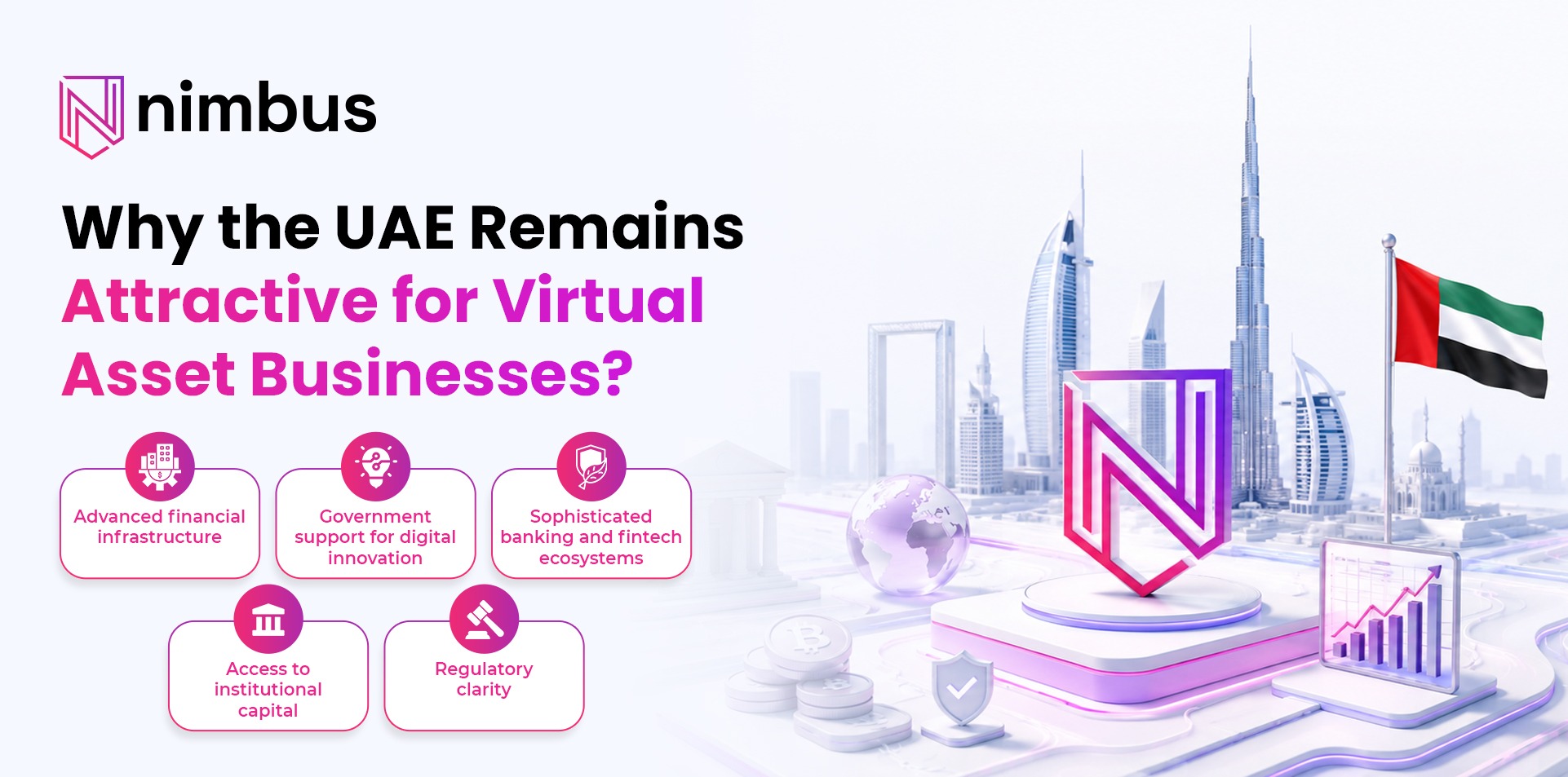
Why the UAE Remains Attractive for Virtual Asset Businesses?
Despite tighter oversight, the UAE continues to offer major advantages for digital asset companies. These include:
- Advanced financial infrastructure
- Government support for digital innovation
- Sophisticated banking and fintech ecosystems
- Access to institutional capital
- Regulatory clarity
The UAE’s approach differs from outright restrictive jurisdictions because regulators are not attempting to block virtual asset activity. Instead, they are trying to channel growth through more formal regulatory structures.
CMA Expands the Federal Framework for Virtual Assets
One of the most significant developments in 2026 is the CMA’s expansion of the federal virtual assets framework. The updated framework increases regulated virtual asset activities from three categories to eight and introduces broader standards covering:
- Conduct of business
- AML and CFT obligations
- Trading systems
This matters particularly for businesses seeking access to the wider UAE market outside financial free zones. Companies involved in brokerage, trading infrastructure, portfolio management, and advisory services should carefully review whether their activities now fall under expanded licensing requirements.
For businesses considering UAE mainland setup, this framework creates a clearer path for operating onshore while also increasing compliance obligations.
VARA Dubai Regulations for Crypto Derivatives and Trading
Dubai’s VARA continues to play a central role in shaping the UAE’s digital asset ecosystem. One of the most commercially important developments is the introduction of a formal framework for exchange-traded virtual asset derivatives. This creates significant opportunities for:
- Exchanges
- Liquidity providers
- Institutional trading platforms
- Brokerage firms
However, these opportunities come with tighter operational expectations.
VARA Compliance Rules for Leverage and Margin Trading
VARA’s framework introduces detailed controls around leveraged products and margin trading. Firms offering these services must implement:
- Real-time monitoring systems
- Risk management frameworks
- Structured liquidation procedures
- Reserve or insurance arrangements
- Client suitability assessments
VARA has also prohibited proprietary trading involving derivatives products by regulated platforms and affiliated entities to reduce conflicts of interest.
Crypto Token Issuance and ICO Regulations in the UAE
Another major change involves token issuance and distribution activity. VARA has increased expectations around:
- Whitepaper disclosures
- Risk transparency
- Technical documentation
- Internal review procedures
Importantly, token documentation is now treated more like regulated offering material than marketing collateral. This raises the legal and operational importance of:
- Disclosure accuracy
- Governance approvals
- Internal verification
- Legal review processes
DIFC and DFSA Crypto Regulations for Virtual Asset Firms
The Dubai International Financial Centre (DIFC) and the DFSA have also updated their digital asset approach. Previously, the DFSA relied more heavily on a recognized-token framework where regulators maintained direct control over approved tokens.
The newer approach gives firms greater flexibility but also transfers more responsibility onto the business itself. Companies are now expected to conduct their own assessments of token suitability. These assessments should consider:
- Liquidity risks
- Market risks
- Operational risks
- Financial crime exposure
- Custody arrangements
For businesses operating through DIFC structures, governance quality now directly affects regulatory credibility.
VASP Licensing and Compliance Requirements in the UAE
One of the clearest themes across all UAE virtual asset regulators is the increasing importance of compliance infrastructure. Regulators are paying closer attention to:
- AML and CFT systems
- Governance structures
- Sanctions screening
- Record-keeping
- Internal controls
Companies relying on lightweight or outsourced compliance functions may face slower approvals, increased supervisory scrutiny, and product expansion limitations. For many firms, compliance is becoming a market access requirement.
UAE AML Regulations for Crypto and Virtual Asset Providers
Virtual asset businesses entering the UAE should expect strong scrutiny around financial crime controls. Regulators expect firms to maintain:
- Customer due diligence systems
- Blockchain analytics capability
- Suspicious transaction reporting systems
- Ongoing monitoring procedures
For companies planning business setup in the UAE, AML readiness should be addressed before licensing applications are submitted rather than after approval.
ADGM Crypto Mining Regulations and FSRA Licensing
ADGM has also clarified the treatment of crypto mining activities. Importantly, crypto mining itself is not classified as a regulated financial service requiring FSRA authorization. Instead, mining activities fall under commercial licensing rules administered through ADGM’s Registration Authority.
This creates a more straightforward route for businesses involved in data processing, Blockchain infrastructure operations, and digital asset computing services.
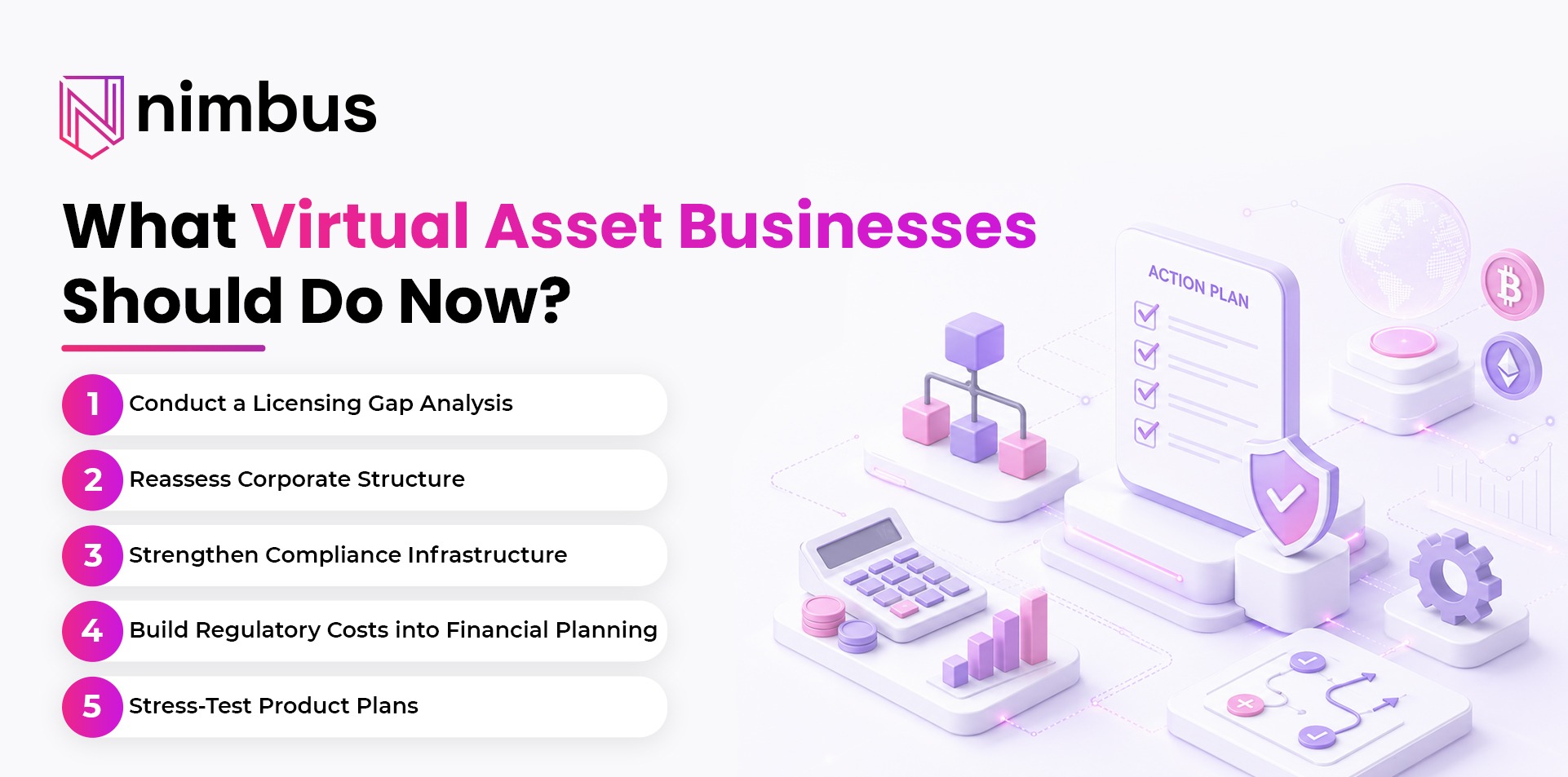
How to Get a Virtual Asset License in the UAE: Next Steps
The UAE market remains highly attractive, but firms should approach expansion carefully. Important priorities include the following factors:
- Conduct a Licensing Gap Analysis: Businesses should review whether existing activities fall within updated licensing categories under CMA, VARA, DFSA, or FSRA rules.
- Reassess Corporate Structure: Entity structure should support governance requirements, client servicing models, custody arrangements, and cross-border activities.
- Strengthen Compliance Infrastructure: Companies should invest in AML systems, internal audit processes, monitoring tools, and compliance staffing before seeking approval for expansion.
- Build Regulatory Costs into Financial Planning: Operating costs may now include insurance obligations, technology controls, audit functions, and ongoing supervisory reporting.
- Stress-Test Product Plans: Products involving derivatives, margin trading, token issuance, and institutional custody now require deeper operational and legal preparation.
Leading the Regional Virtual Asset Market
The UAE’s virtual asset sector is entering a more mature and selective stage of development. Regulators continue to support innovation and digital asset growth, but businesses now face higher expectations around governance, compliance, operational resilience, and product oversight.
For companies planning business setup in the UAE, long-term success increasingly depends on choosing the right jurisdiction, securing appropriate licenses, building credible compliance systems, and aligning products with regulatory expectations.
In 2026 and beyond, sustainable growth will belong to businesses prepared for a more structured regulatory environment. Firms that invest early in governance and operational readiness are likely to gain the strongest competitive advantage.