

if an investor is going for UAE freezone setup. While many investors focus primarily on setup costs, the
reality is that selecting the wrong free zone can create operational limitations and unnecessary expenses.With more than 40 UAE free zones operating under different authorities and frameworks, UK investors need a clear understanding of how each zone aligns with their commercial objectives. Businesses must ensure that the chosen jurisdiction supports both immediate operations and future growth.This article explains how UK investors can approach UAE company formation strategically and choose the most suitable free zone for sustainable business success.
Understanding UAE Free Zones
Free zones are designated economic areas regulated by independent authorities. They are designed to attract foreign investment by simplifying licensing, offering operational flexibility, and supporting industry-specific activities. A UAE freezone setup typically allows:
- 100% foreign ownership
- Full repatriation of profits and capital
- Simplified import and export procedures
- Streamlined company registration
- Access to specialized infrastructure
For many UK businesses, free zones offer an efficient entry point into the Gulf region without the complexities traditionally associated with overseas expansion.
Why Choosing the Right UAE Free Zone Matters for UK Investors?
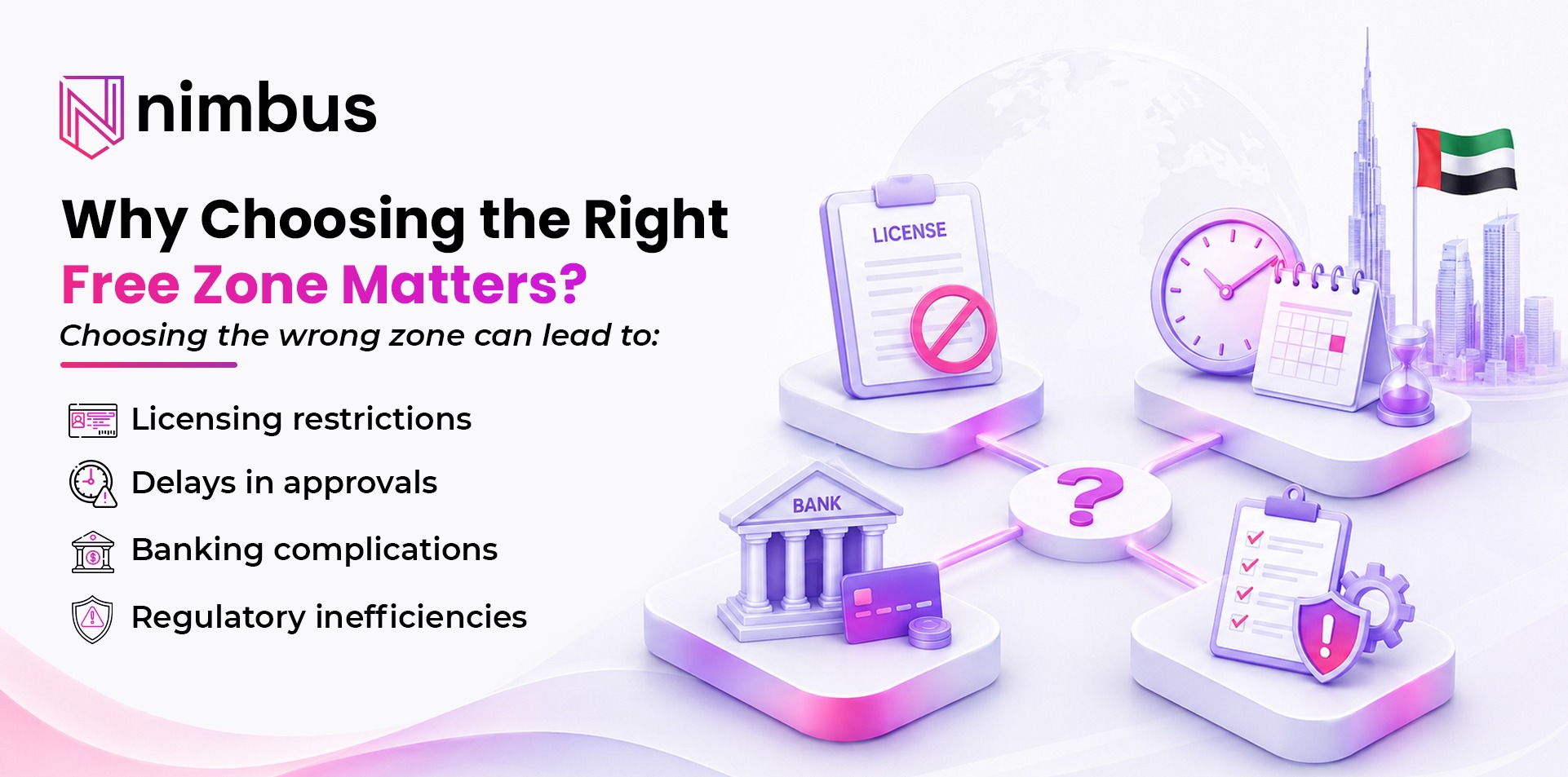
Not all free zones serve the same purpose. Each operates under its own authority with different licensing rules, infrastructure, sector focus, and visa policies. Choosing the wrong zone can lead to:
- Licensing restrictions
- Delays in approvals
- Banking complications
- Regulatory inefficiencies
Key Factors to Choose the Best UAE Free Zone for Business Setup
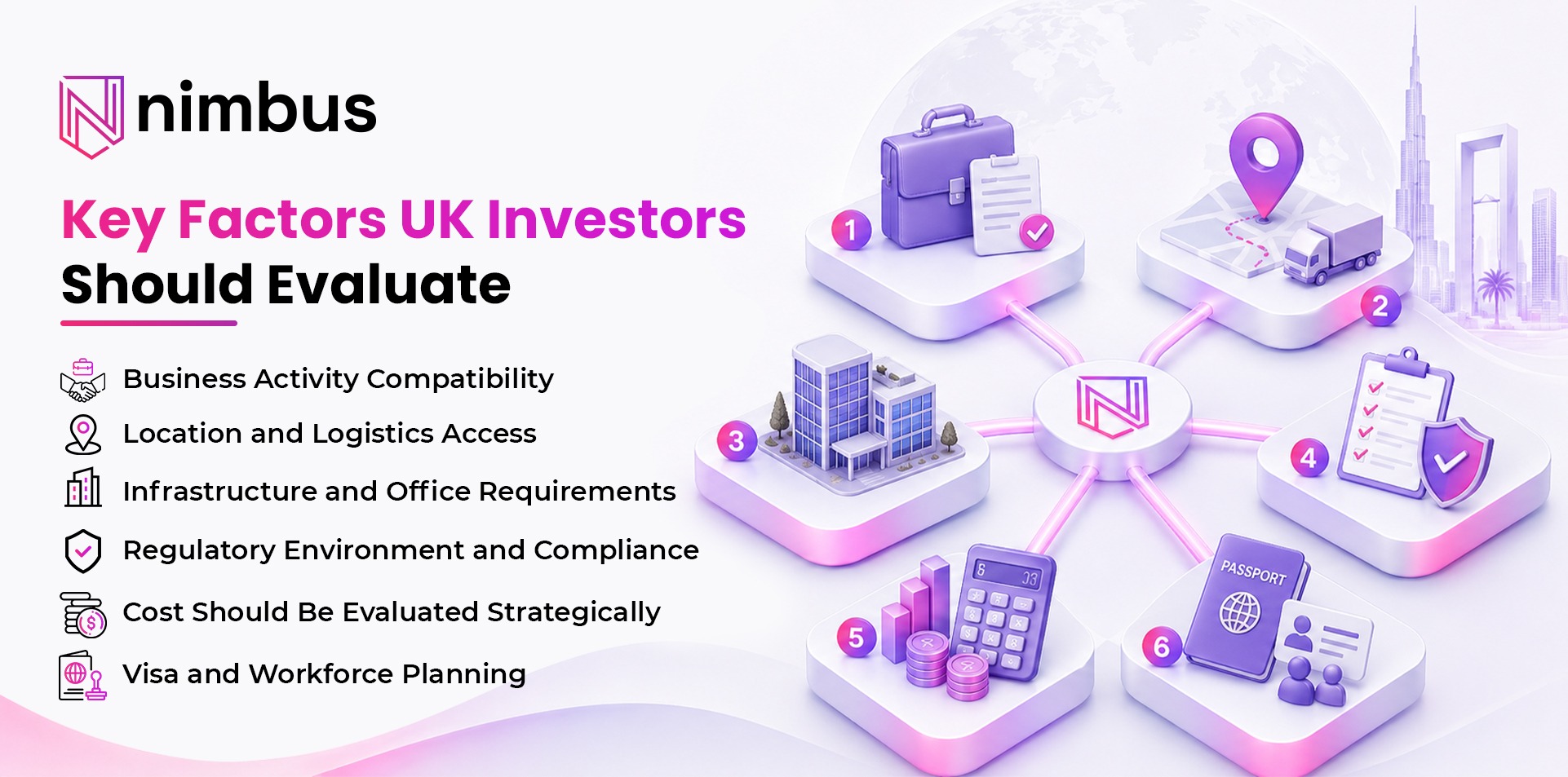
1. Business Activity Compatibility
Every free zone defines which activities are permitted under its licensing framework. Some zones specialize in technology, digital services, media, and other creative industries, while others offer support for healthcare and manufacturing.
For example, a fintech company requires a jurisdiction with clear financial regulatory oversight, while a
manufacturing business needs industrial infrastructure and warehousing support. Before proceeding with company formation in the UAE, investors should confirm:
- Whether their activities are permitted
- If multiple activities can be combined
- Whether future expansion activities will be allowed
- Any sector-specific approvals required
2. Location and Logistics Access
Location remains one of the most practical considerations during a business setup in the UAE. UK companies involved in trading, logistics, or manufacturing should prioritize free zones near:
- Major seaports
- International airports
- Cargo hubs
- Regional transport corridors
This can significantly reduce shipping costs, customs delays, and supply chain inefficiencies. Accessibility also impacts employee mobility, client meetings, and operational convenience.
3. Infrastructure and Office Requirements
Different free zones offer varying levels of infrastructure depending on the industries they support. Typical options include:
- Virtual office packages
- Co-working facilities
- Serviced offices
- Executive office suites
- Warehouses
UK startups may initially prefer flexible desk or virtual office solutions to reduce setup costs, while larger
firms may require scalable office space. Technology infrastructure, reliable connectivity, digital services,
and modern utilities should also be considered for seamless operations.
4. Regulatory Environment and Compliance
Each free zone operates independently, meaning regulations can vary significantly across jurisdictions. Key areas UK investors should assess include:
- Licensing procedures
- Reporting obligations
- Corporate governance requirements
- Audit requirements
- Visa processes
Regulated sectors such as healthcare and education require jurisdictions with established regulatory systems and transparent compliance frameworks. A poorly structured setup can complicate:
- Corporate banking
- VAT obligations
- International transactions
- Future expansion
This is why professional guidance during UAE company formation is often essential.
5. Cost Should Be Evaluated Strategically
Many investors initially compare free zones purely based on registration costs. However, setup fees represent only a portion of the long-term operational picture. Characteristic cost components include:
- Trade license fees
- Company registration charges
- Office or warehouse rental
- Visa allocations
- Immigration processing
- Compliance renewals
- Utility and service charges
Lower-cost jurisdictions may suit freelancers or small consultancies, but larger businesses often benefit from premium zones offering stronger infrastructure and industry support.
6. Visa and Workforce Planning
For many UK businesses, hiring international staff is a central part of expansion planning. Free zones offer integrated immigration and visa support, but visa quotas vary depending on office size and license type.
Smaller office packages may allow only a limited number of visas, while larger facilities permit workforce
expansion. Investors should also evaluate:
- Family sponsorship options
- Recruitment support
- Employee onboarding processes
- Access to skilled talent pools
Long-term workforce planning should form part of the broader UAE freezone setup strategy rather than being treated as an afterthought.
The Importance of Business Ecosystems
One major advantage of established UAE free zones is their ecosystem effect. Strong business clusters provide access to:
- Investors
- Suppliers
- Legal and financial advisors
- Technology providers
- Networking opportunities
For UK companies entering unfamiliar regional markets, these ecosystems can significantly accelerate market entry and partnership development.
Technology businesses, for example, often benefit from innovation-focused zones that host accelerators,
incubators, and venture capital networks.
Planning UAE Company Formation for Long-Term Business Growth
A common mistake during business setup in the UAE is selecting a structure based only on immediate requirements. UK investors should consider:
- Future staffing growth
- Regional expansion plans
- Additional licensing needs
- Potential mainland operations
Some companies eventually transition from free zone operations into hybrid structures that combine free zone benefits with UAE mainland setup capabilities. Choosing a scalable jurisdiction from the beginning reduces future disruption and restructuring costs.
Final Checklist for UK Investors Starting a UAE Freezone Setup
The UAE continues to offer significant opportunities for UK investors seeking international expansion. However, successful UAE company formation depends heavily on selecting the right jurisdiction from the outset. A well-chosen UAE freezone setup can provide:
- Efficient market entry
- Tax efficiency
- Strong infrastructure
- Regulatory clarity
- Long-term scalability
Rather than choosing solely based on promotional pricing or setup speed, UK investors should assess how each free zone aligns with their business model, industry requirements, workforce needs, and expansion strategy.
Comments are closed