


In January 2026, updates to the UAE Commercial Companies Law formally clarified a long-standing legal principle: any company established in the UAE carries UAE nationality.
This confirmation, also known as corporate citizenship, applies to companies incorporated in UAE mainland setup, business setups in the free zones, and financial free zones. But its application is restricted to the legal entity and does not apply to shareholders, directors, employees, or visa holders.
While the concept aligns with international norms (companies take the nationality of their place of incorporation), the explicit clarification removes ambiguity, particularly for free zone businesses operating across borders or engaging with government counterparties.
For founders and investors, this development is less about symbolism and more about legal clarity, trade positioning, and structural strategy.
1. Implications and Limitations
Before examining its commercial implications, it is essential to define the law’s limitations.
What It Confirms
- Every UAE-incorporated company has UAE nationality under company law.
- Shareholder nationality does not affect corporate nationality.
- Free zone and financial free zone companies are included.
What It Does Not Change
- Personal citizenship or passport eligibility
- Residency or visa rules
- Corporate tax law
- Free zone regulatory frameworks
- Sector-specific licensing obligations
Corporate citizenship is a company law identity rule, not an immigration or tax benefit.
2. The Legal Foundation
The amended Commercial Companies Law confirms that place of incorporation determines corporate nationality. This brings the UAE into explicit alignment with global corporate law standards.
What is new is not the principle, but its uniform application across mainland, free zone, and financial free zone entities. For years, some counterparties questioned whether free zone companies were “truly” UAE companies. The updated law provides a definitive answer: they are.
3. Which Entities can Qualify?
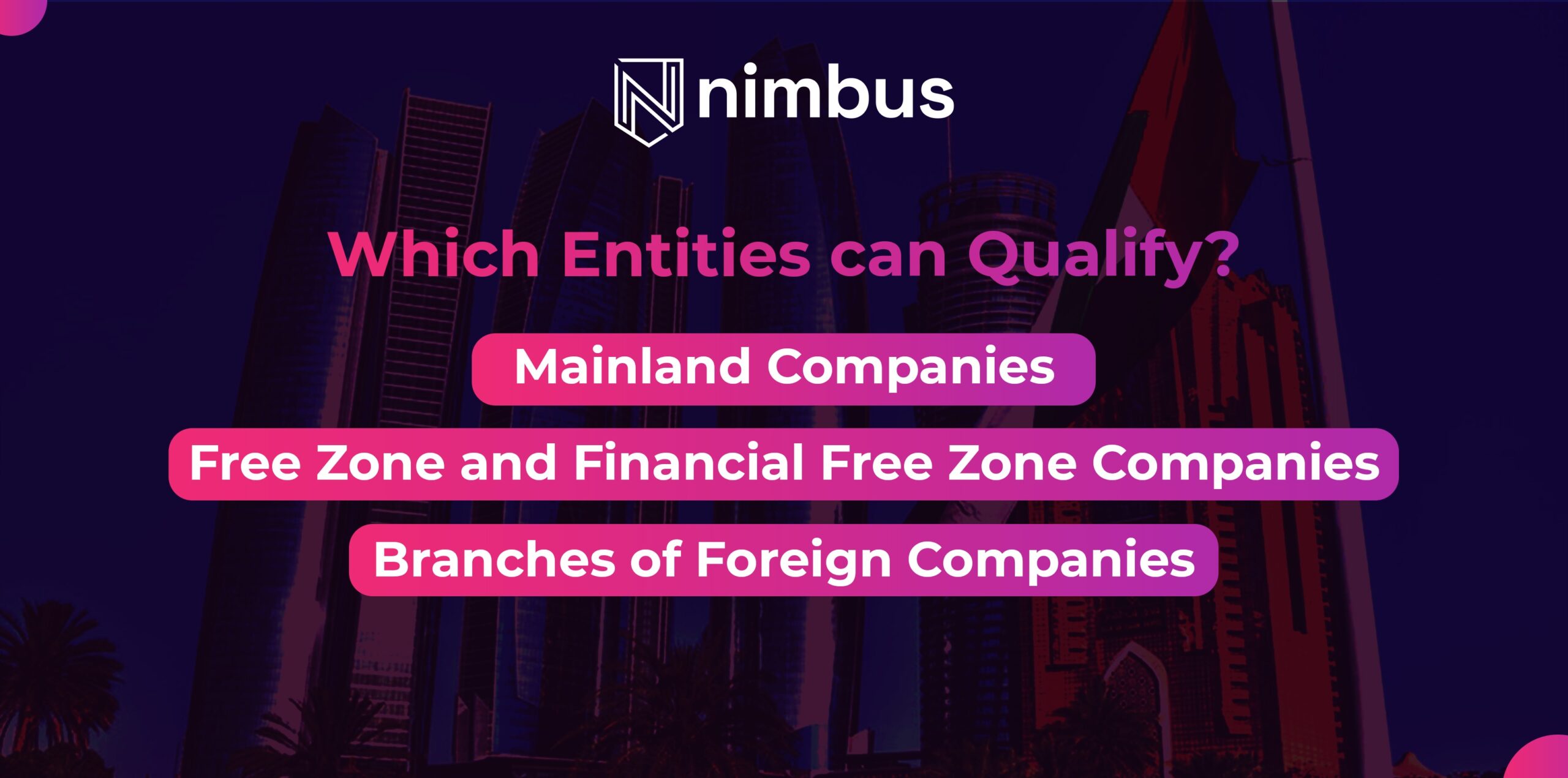
Mainland Companies
Limited Liability Companies (LLCs), Joint Stock Companies, and other entities incorporated under federal law automatically qualify.
Even 100% foreign-owned mainland companies are UAE-national companies for legal purposes.
Free Zone and Financial Free Zone Companies
Free zone entities are explicitly included under the 2026 clarification.
This resolves long-standing structural ambiguity for companies operating from:
- JAFZA
- DMCC
- IFZA
- ADGM
- DIFC
- And other zones
Free zones retain their regulatory autonomy. However, corporate nationality is no longer in question.
Branches of Foreign Companies
Branches do not qualify. A branch is not a separate legal person. It remains legally tied to its foreign parent company. For businesses seeking a clear UAE corporate identity, particularly for trade positioning or government engagement, incorporation is typically more advantageous than a branch structure.
4. How the Law Works Across the Zones?
Operating Beyond the Free Zone
Where permitted, a free zone company may establish:
- A mainland branch
- A representative office
That branch becomes subject to federal law and local licensing rules. This structure allows expansion without restructuring the entire company. However, activity permissions remain governed by the specific free zone’s regulations.
5. How It Impacts Operations?
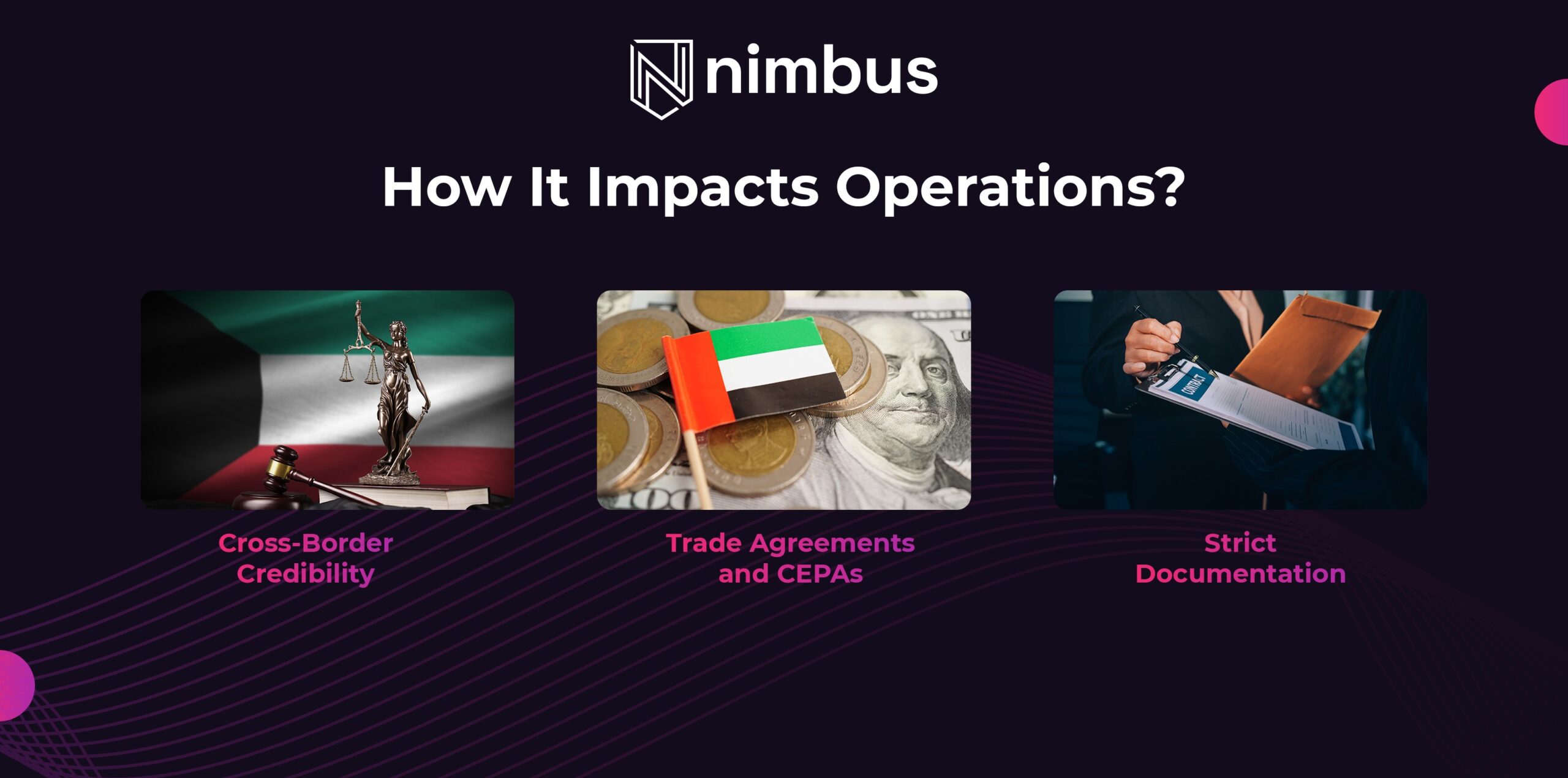
Corporate citizenship becomes operationally relevant in three primary areas listed below.
1. Cross-Border Credibility
International counterparties evaluate risk partly based on corporate domicile. Clear UAE nationality supports:
- Governing law certainty
- Enforcement expectations
- Regulatory credibility
- Banking and financing discussions
For regional headquarters, this clarity reduces friction during due diligence.
2. Trade Agreements and CEPAs
The UAE has expanded its network of Comprehensive Economic Partnership Agreements (CEPAs). Corporate citizenship supports a company’s positioning as a UAE-established exporter. However, trade benefits still depend on:
- Rules of origin
- Substantial transformation requirements
- Proper documentation
Corporate citizenship does not replace these criteria, but it strengthens the legal narrative supporting eligibility.
3. Strict Documentation
Export positioning often hinges on:
- Trade licence
- Certificate of Incorporation
- Certificate of Origin
Corporate citizenship becomes practical at the documentation stage, where nationality and incorporation status must be clearly evidenced.
6. Who Reaps the Benefits?
Foreign Investors
Foreign investors looking for a beneficial business setup in the UAE benefit significantly from the ability to present their UAE operations as legally UAE companies, not temporary outposts. This matters for:
- Capital raising
- Large-scale contracts
- Regional headquarters
- Institutional partnerships
Free Zone Companies Expanding Onshore
Many free zone companies eventually engage:
- Mainland clients
- Government entities
- Public procurement projects
Corporate citizenship confirms national identity, supporting this expansion while licensing decisions remain subject to zone rules.
SMEs
SMEs represent approximately 94% of UAE private sector companies and contribute around 40% of GDP. Corporate citizenship reinforces their national identity, even where ownership is expatriate. This supports scaling from local operation to regional exporter.
7. Free Zone Tax Benefits
Free zone tax incentives apply only if the company qualifies as a Qualifying Free Zone Person and earns qualifying income. Corporate citizenship does not override these conditions. A company may be UAE-national under company law while still being subject to corporate tax under tax legislation. Understanding this distinction is critical.
8. Tips for Business Owners
Use Clear, Consistent Language
Always present corporate citizenship as a company status and a legal incorporation fact. Never imply personal immigration benefits.
Maintain Core Documentation
Proper documentation ensures corporate nationality translates into practical value. For most transactions, counterparties will request:
- Trade licence
- Certificate of Incorporation
- Commercial registration extract
- Beneficial ownership disclosures
For exports:
- Certificate of Origin
Key Takeaways

The UAE Corporate Citizenship Law 2026 confirms that:
- Every company incorporated in the UAE has UAE nationality.
- UAE free zones and financial free zones are explicitly included.
- Branches of foreign companies do not qualify.
- The rule affects corporate identity, not personal citizenship or tax treatment.
For founders planning company formation in the UAE for regional expansion, export growth, and government-facing contracts, corporate structure decisions now carry heightened strategic importance.
Corporate citizenship does not change how businesses operate overnight. But it removes ambiguity, and in cross-border commerce, clarity is leverage.