

Saudi Arabia has rapidly become one of the largest and fastest-growing e-commerce markets in the GCC. With high consumer spending power, digital adoption, and strong logistics infrastructure, it presents a significant growth opportunity for UAE-based online sellers.
However, despite close economic ties between the UAE and KSA, cross-border e-commerce is not treated as domestic GCC trade. Saudi Arabia operates under its own customs, VAT, and corporate tax regulations.
UAE sellers entering the Saudi market must comply with local tax rules, particularly when selling directly to consumers. For many businesses, the biggest risks fall into three key areas:
- Customs duties and documentation
- VAT registration and filing obligations
- Permanent Establishment (PE) exposure
Failing to address these properly can result in shipment delays, border holds, penalties, and unexpected tax liabilities. This guide outlines what UAE e-commerce sellers need to know before expanding into the Saudi market.
KEY POINTS FOR ONLINE SELLING IN THE KSA
 1. Customs Duties: What Sellers Need to Know?
A common misconception is that goods shipped from the UAE to Saudi Arabia automatically qualify for zero customs duties under GCC trade rules. In reality, this exemption only applies to products that:
- Are manufactured within the GCC
- Meet strict Rules of Origin requirements
- Are supported by properly certified documentation
How Saudi Customs Duties Work?
Saudi customs duties are based on the Harmonized System (HS) code classification of goods. Rates typically range from 5% to 25%, depending on the product category.
Incorrect HS classification is one of the most common reasons for shipment delays, reassessment of duties, administrative fines, or even confiscation.
Beyond base customs duties, additional costs may include:
- Administrative processing fees
- Customs clearance charges
- Currency exchange fees imposed by logistics providers
2. Documentation: The Most Common Cause of Border Delays
Saudi authorities maintain strict import documentation standards, be it with business setup in Saudi Arabia or online shopping. Incomplete or inaccurate paperwork is a primary reason shipments are held at the border. For each shipment, sellers should ensure the following documents are available:
- Commercial invoice (detailing item value, quantity, and HS code)
- Packing list
- Certificate of origin (signed and stamped by the relevant authority)
- Required regulatory approvals (if applicable to the product category)
Even minor discrepancies, such as mismatched values or missing HS codes, can trigger inspection delays. Shipment holds can affect customer satisfaction, resulting in reputational damage. For fast-moving e-commerce operations, documentation accuracy is a must.
3. VAT in Saudi Arabia: Registration Is Often Mandatory
In addition to customs duties, imported goods into Saudi Arabia are subject to 15% VAT. One of the biggest areas of confusion for UAE-based sellers is determining who is responsible for VAT. Under Saudi VAT regulations, the responsibility frequently falls on the seller, particularly when selling directly to consumers (B2C).
When VAT Registration Is Required?
A business must register for VAT in KSA if:
- Annual taxable sales exceed SAR 375,000 (for resident businesses), or
- The seller has no physical presence in Saudi Arabia but makes taxable supplies to customers within the Kingdom
For non-resident e-commerce sellers, VAT registration is typically required from the first sale to Saudi consumers. This means:
- VAT must be charged correctly
- VAT returns must be filed monthly or quarterly
- Accurate records must be maintained
Failure to register or file properly can result in penalties and restrictions from the Saudi Zakat, Tax and Customs Authority (ZATCA).
4. Permanent Establishment (PE): The Hidden Corporate Tax Risk
Beyond VAT and customs, UAE sellers must consider PE exposure. A PE is generally defined as a fixed place of business in Saudi Arabia that could subject a foreign entity to 20% corporate income tax, even without formally incorporating a company.
Activities That May Trigger PE Risk
Certain operational decisions can increase exposure, including:
- Storing goods in a Saudi warehouse or fulfillment center
- Using local agents authorized to negotiate or conclude contracts
- Establishing ongoing marketing operations that demonstrate local presence
- Long-term logistics arrangements implying operational substance
Not all activities automatically create a PE. Occasional marketing or limited-scale activities may not trigger corporate tax. However, the distinction is often nuanced. Understanding PE risk is critical, particularly for high-volume e-commerce sellers seeking faster delivery through local warehousing.
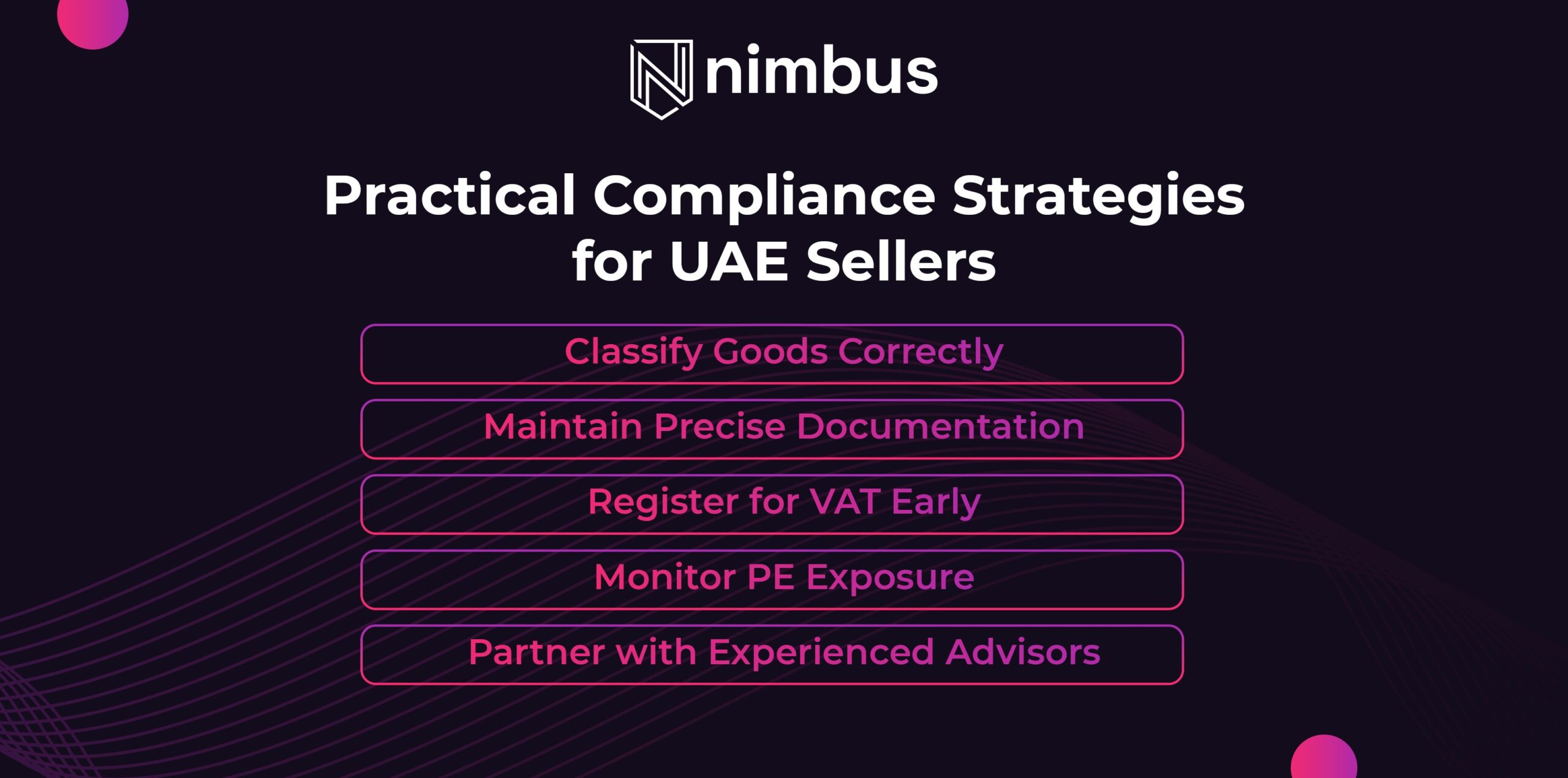
Practical Compliance Strategies for UAE Sellers
To expand successfully into KSA, UAE e-commerce businesses should adopt a proactive compliance framework.
1. Classify Goods Correctly
Accurate HS code classification reduces customs disputes and prevents fines or shipment seizures.
2. Maintain Precise Documentation
Ensure invoices, packing lists, and certificates of origin are accurate and consistent.
3. Register for VAT Early
If you are approaching thresholds or selling directly to Saudi consumers, initiate VAT registration promptly to avoid penalties.
4. Monitor PE Exposure
Before using warehouses or appointing agents, assess whether the arrangement could trigger corporate tax obligations.
5. Partner with Experienced Advisors
Cross-border logistics providers and tax advisors familiar with Saudi regulations can help prevent operational disruption.
The Cost of Non-Compliance
Ignoring customs, VAT, or PE risks can lead to:
- Shipment delays and storage fees
- Administrative penalties
- Reputational damage
- VAT reassessments and interest charges
- Unexpected 20% corporate tax exposure
For growing e-commerce brands, especially the ones looking to expand through company formation in the KSA, these disruptions can quickly erode profitability and customer trust.
Opportunity Requires Preparation
Saudi Arabia offers enormous potential for UAE-based e-commerce sellers. The market size, digital infrastructure, and consumer demand make it a compelling expansion destination.
However, cross-border sales are not frictionless. Customs duties, VAT registration, and Permanent Establishment risks must be managed carefully. Businesses that prepare early can scale confidently, but those that overlook compliance may face delays, fines, and costly operational setbacks.
Because successful expansion is not just about entering a new market; it is about entering it correctly.